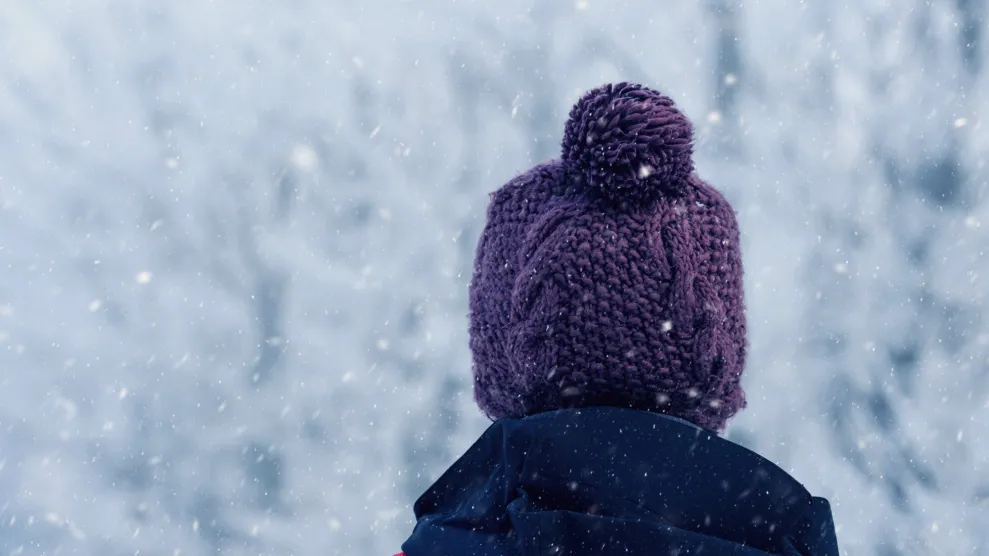
As the temperature keeps dropping and more winter storms are coming, the more likely it is that the cold can affect your health. Here are some cold weather health concerns.
Frostbite:
Frostbite is an injury affecting the skin and the underlying tissue caused by freezing temperatures. It usually affects the nose, cheeks, fingers, toes, chin, and ears. Early signs of frostbite are redness and numbness. Later symptoms are firmness and white or pale looking skin. To treat frostbite, try to gradually warm up the affected area. Submerge the area in warm water or wrap it in warm clothes and blankets. Avoid using a fireplace, heating pads, and radiators. The skin can easily be burned. Do not massage or rub the area because the friction can damage the tissues. Seek medical attention as soon as possible.
Hypothermia:
Hypothermia occurs when the body is losing heat faster than it can produce it. It affects the brain which causes confusion. Symptoms of Hypothermia are slow or slurred speech, confusion, memory loss, drowsiness, and shivering. Signs of Hypothermia in infants are low energy and cold, bright red skin. Take a person’s temperature if they are experiencing these symptoms. If the temperature is below 95࿁F, seek medical attention immediately. If help is not available, try to warm up the body. Warm the core of the body first. If you warm the legs and arms first, it could force the cold blood to the heart and cause heart failure. Get the person to a warmer area. Remove wet clothing and replace it with dry clothes. Wrap the person in blankets from head to toe. Do not give the person alcohol, drugs, or coffee.
Shoveling Snow:
Shoveling snow can place strain on the muscles and heart. When working outside, take frequent breaks and pace yourself. Push snow instead of lifting it if possible. If chest and arm pain, dizziness, and shortness of breath occurs, stop immediately and go inside.